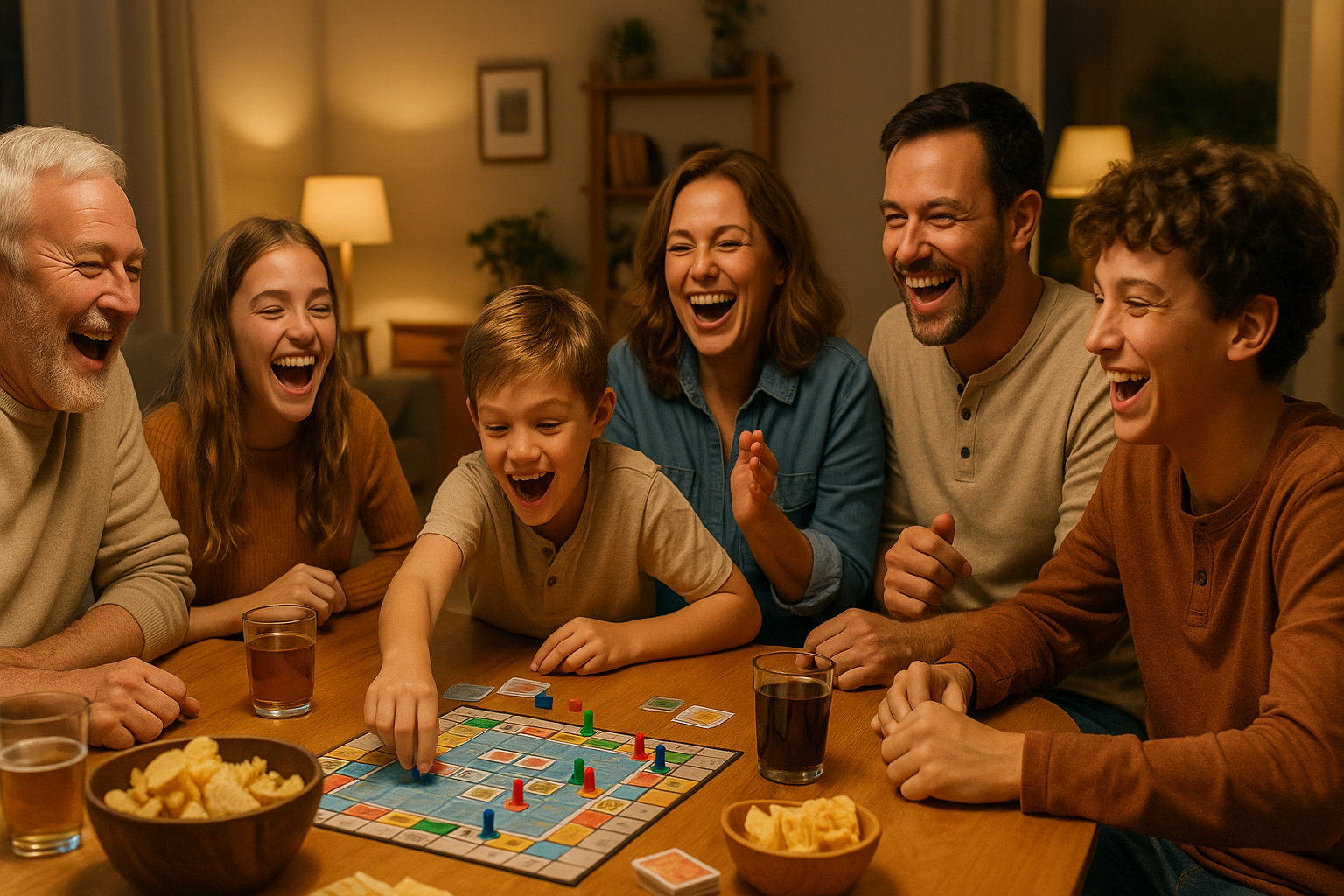

Card Game for Kids and Adults: 6 Ways to Boost Family Communication

Playing a card game for kids and adults can be an excellent way to enhance family communication. In today's fast-paced world, families often struggle to find quality time together, leading to weakened bonds and communication gaps. Games offer a playful, engaging solution that both children and adults can enjoy. Discovering how these games can improve dialogue and connection within families is essential.
Card games entertain while teaching essential social skills. In a setting where everyone feels relaxed, these games open pathways for conversations that might not occur otherwise. Families can share laughs and explore teamwork, mutual understanding, and empathy through interactive play. Realizing these benefits encourages families to incorporate card games into their routines.
By exploring various strategies, this article will reveal how playing card games can help foster communication. We'll share actionable tips, inspiring stories, and insights into family dynamics. With a structured approach, you'll find clear pathways to achieving stronger family bonds through play.
A Family's Tale: Rediscovering Connection
A family gathered around a table, hesitant eyes meeting as they decided to engage in a simple card game. The Smiths, known for their busy lives, had lost touch. However, this dynamic began changing with a newfound love for card games.
The first round of play introduced giggles and light-hearted banter. Children Nicky and Sam initially hesitated but soon embraced the game's challenge. Their parents, James and Linda, joined the fun, rediscovering their playful sides.
As rounds continued, competition evolved into cooperation, with strategic discussions surfacing naturally. Communication became more open, and laughter solidified familial ties, bringing warmth into their home.
This real-life transformation exemplifies how families can reunite through simple, joyful activities. The Smiths experienced firsthand how games foster deeper connections. This sets the stage for exploring practical methods to achieve similar results.
Why Do Card Games Enhance Communication?
- Shared Experience: Card games align family members towards a common goal. Engaging with shared rules fosters understanding and cooperation.
- Encouraging Dialogue: Players must discuss strategies and negotiate, honing communication skills in a safe setting without pressure.
- Building Empathy: Understanding different perspectives and reactions during play fosters empathy. Families learn to appreciate one another's thoughts and emotions.
Integrating card games as a regular family activity offers lasting benefits. Schedule weekly game nights and observe the improvement in family interactions. Transitioning to understanding the mechanics behind this impact leads to further insights.
How Do Games Teach Social Skills?
What Is the Key Role of Games?
Games offer structured environments where individuals practice social behaviors. Players interact, negotiate rules, and resolve conflicts, enhancing essential life skills.
Is Problem-Solving Involved?
Yes, games often present challenges requiring solutions. Families collaborate to overcome obstacles, improving problem-solving abilities collectively.
Which Skills Translate to Real Life?
Card games promote listening, verbal expression, and decision-making, skills valuable beyond the gaming table. Participants apply these behaviors in various life contexts.
Intentionally selecting games that emphasize these aspects nurtures development. This preparation supports future interactions, enhancing adaptability in multiple situations.
Steps to Selecting the Right Card Game
Choosing a card game focusing on family interaction involves specific steps. Begin by identifying the age range and interests of all family members.
Consider themes and complexities aligned with family dynamics. Selecting a game offering collaboration yet simple mechanics ensures all members engage comfortably.
Test different games and observe reactions. If a particular game elicits joy and conversation, incorporate it regularly. This exploration fosters a family-centered gaming tradition.
Experimenting with various games uncovers those best suited for enhancing communication. This methodical approach maximizes the enjoyable and educational value, building anticipation for play.
Examples of Games Empowering Communication
Imagine two scenarios: a family engrossed in a fast-paced card game versus one engaging in a strategy-based game. In the first, laughter and quick exchanges dominate as players react swiftly. Fun and spontaneity rule, with immediate feedback fostering lively discussions.
Meanwhile, the strategy game requires thoughtful deliberation and consensus. Here, teamwork and patience triumph, encouraging prolonged discussions and deep understanding.
Game choice significantly impacts communication styles within the family. Selecting varied games introduces diverse communication skills. Families navigate between spontaneous and reflective exchanges, enhancing adaptability.
Exploring these different styles keeps playtime fresh and diversified, expanding the range of skills acquired. This intentional variety prepares families for diverse conversational needs.
What Key Takeaways Improve Family Bonds?
Integrating card games invites families to revisit fun, communication, and connection. Games serve as a bridge, closing gaps that daily life often creates.
Commitment: Aim for consistency by scheduling regular game nights. Commitment to playtime ensures opportunities for growth.
Selection: Choose games promoting teamwork over individual wins. Encouraging collaborative efforts strengthens familial ties.
Openness: Foster an environment where expressing thoughts and emotions is welcomed. Open dialogue deepens empathy and understanding.
Recognizing these elements equips families with pathways to enhance interactions and connections, making card games an invaluable tool for growth.
Exploring a specific game that embodies these ideals can offer real-world applications for effective results.
This is exactly what Savvy Coders offers, designed to connect through creative storytelling. With these structured, varied approaches, families can enjoy revived bonds, vibrant communication, and cherished memories.
Our recommendation: CRACK LIST