
Teamwork: How to Strengthen Bonds Through Play

The rise of cooperative games has brought card game enthusiasts together, focusing on a card game combining teamwork and strategy. Many households face the challenge of finding activities that engage everyone while building stronger relationships. This need for communal experiences becomes vital in an increasingly digital world. The promise lies in how these games foster communication, trust, and a collective spirit. This article explores how you can harness these tools to encourage teamwork among friends and family.
Imagine a gathering where everyone's attention wavers. Scattered conversations, digital distractions, and the feeling of being present but unattached. Enter the strategic card game, a solution that acts as a bridge uniting isolated individuals into a cohesive unit. Each player's role becomes essential in achieving common goals, uniting hearts and minds. What makes these games particularly effective are the strategic challenges that require collective thinking and decision-making. Unlocking this potential could transform quality time into memorable collaborative experiences.
How Can Card Games Inspire True Connection?
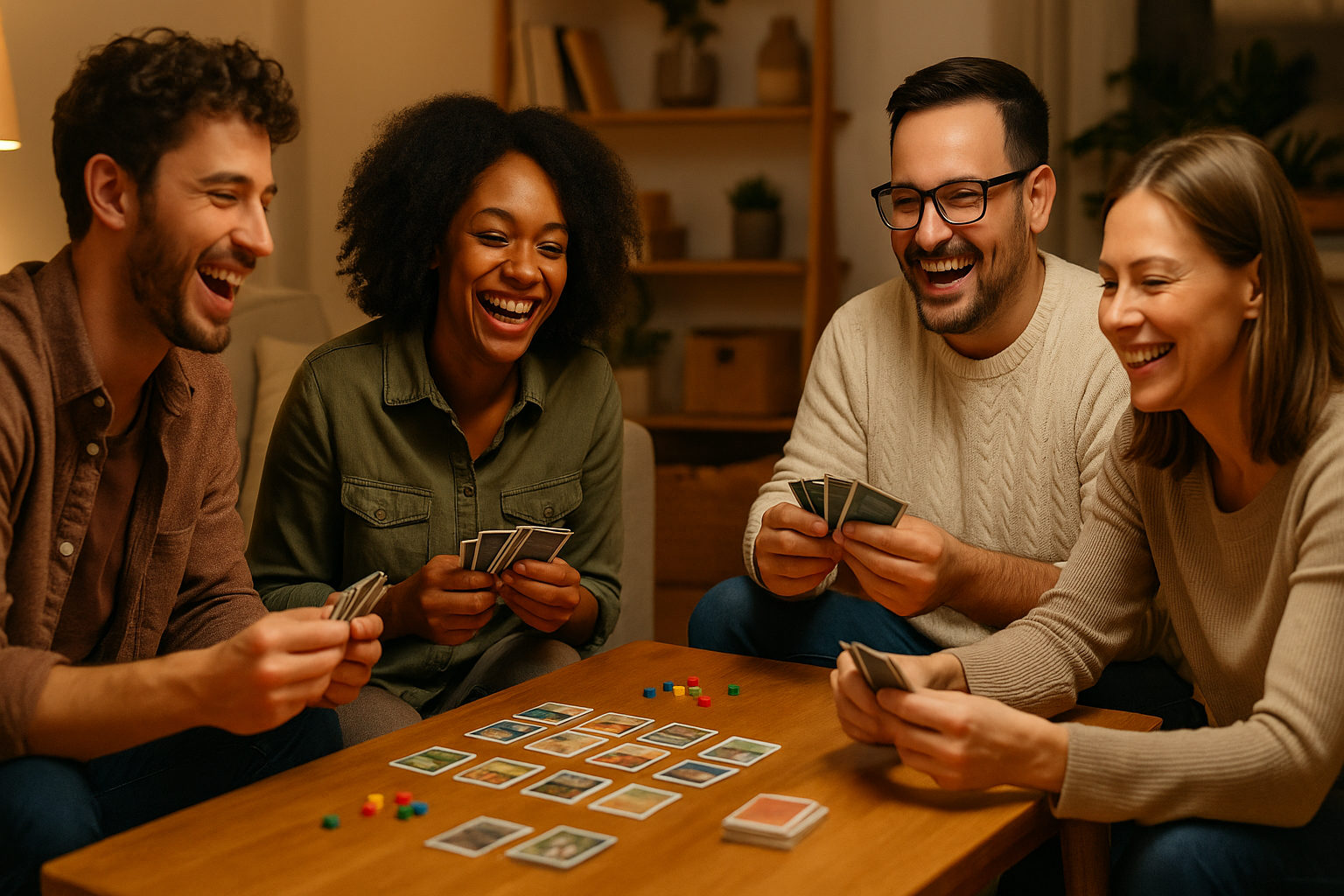
Once, during a family reunion, a simple deck of cards transformed the atmosphere. Conversations that were sporadic transitioned into collaborative discussions. Faces lit up with smiles as each strategy unfolded. The card game combining teamwork and strategy became the center of shared laughter and achievements.
These games offer more than just entertainment; they provide a platform for bonding. Players strategize together, fostering communication and enhancing empathy. Sharing the joy of victory or the lessons in defeat tightens relationships. Ultimately, the game serves as a microcosm of real-life situations where teamwork matters.
An anecdote from that evening highlighted the game's potential. A young cousin shared how playing improved their teamwork skills in school projects. It's astounding how the fun of a card game can mirror life lessons. Emphasize regular sessions to strengthen these bonds, creating not just memories but lasting connections.
Moving into practical applications of card games, we delve into how they cultivate essential life skills among diverse groups.
Which Card Game Strategies Enhance Bonds?
- Collaborative Decision-Making: Encourage players to discuss their next moves openly. This transparency fosters communication and willingness to accept collective decisions.
- Role Assignment: Give each player a specific task or role. Assigning roles ensures that everyone contributes and feels integral to the team’s success.
- Synchronized Execution: Planning sessions evolve into synchronized actions, drawing parallels to real-world teamwork. This alignment improves efficiency and cultivates trust.
To enhance these strategies, consider determining each player's strengths, assigning roles accordingly to optimize effectiveness. Transitioning from strategies, we explore common questions players might have about integrating teamwork into gaming.
Why Should Families Play Together?
What Benefits Arise?
Engaging in a card game combining teamwork and strategy can improve communication and strengthen interpersonal relationships among family members. Playing games as a unit encourages open dialogue and collaboration, paving the way for better problem-solving skills.
Is It Suitable for All Ages?
Yes, these games often accommodate various age groups, making them ideal for family gatherings. The simplicity of the format can bring together both young and older family members.
Can It Replace Traditional Bonding Activities?
Not entirely, but it complements existing activities by offering a fresh perspective on family interaction. Games create shared experiences that translate into treasured memories.
After addressing common concerns, let's dive into how one might get started with implementing these ideas.
How to Integrate Card Games into Your Routine
Setting up a regular gaming evening requires careful planning. First, establish a consistent schedule that suits your group's availability. Frequency ensures anticipation and allows preparation for each session.
Next, select a game that interests everyone. Use themes appealing to diverse tastes while considering complexity levels suitable for the group. Begin with basic instructions to ensure comprehension. Simplicity prevents intimidation and allows newcomers to participate confidently.
Ensure everyone contributes to the setup, emphasizing collective responsibility. As players become familiar, encourage more complex strategies, enhancing the challenge. Transitioning from setup to real-life applications, let's explore how game mechanics translate into teamwork benefits.
What Real-Life Lessons Do Card Games Teach?
Imagine a strategic card game illustrating a family debating a decision. Differences arise, yet the joy lies in finding consensus. Players recognize each other's strengths, forming alliances and adjusting strategies based on evolving challenges.
Scenarios within games often mirror real-life situations. Lessons learned translate into improved problem-solving skills, patience, and understanding. The game is the battlefield where participants learn to win together gracefully.
Emphasizing this realization enables players to transfer skills from gaming to daily life. Encourage players to reflect on in-game experiences, highlighting personal growth areas. This reflective practice solidifies the connection between gaming and life skills, preparing for our final reflection.
Are Collaborative Card Games the Ultimate Teamwork Tool?
Building Trust: Players rely on one another to achieve shared objectives. Trust is built as patterns of successful collaboration emerge.
Enhancing Communication: Explicit communication becomes vital, encouraging players to articulate their thoughts and strategies clearly.
Fostering Patience: Learning to wait for the right moment and value each player's input helps cultivate patience.
To foster these qualities, emphasize continuous practice. Trust and communication skills developed here can impact real-world settings. By engaging in these games, families nurture a stronger connection and effective teamwork capabilities.
The journey through a card game combining teamwork and strategy can reinforce relationships profoundly. Consider making play a regular part of gatherings, inviting joy and unity into the space.
Our recommendation: TENGO DUO - https://savana-games.com/products/tengo-duo